Art Shipping and Packaging: Reducing the Risk of Damage
Works of art require special care not only because of their material value, but also because of the cultural, aesthetic, and emotional meanings they carry. Even a small scratch, vibration, or change in humidity that occurs while transporting a painting, sculpture, ceramic piece, or antique object can cause permanent damage. For this reason, art shipping, unlike standard goods transportation, requires expertise, proper packaging, and careful logistics planning.
In this article, we'll cover the key points to consider in order to reduce the risk of damage during the shipping and packaging of artworks.
1. A Risk Analysis Should Be Conducted Before Shipping
The first step in safely transporting a work of art is correctly assessing its characteristics. Not every work requires the same shipping conditions.
The following factors should be examined before shipping:
- The dimensions and weight of the work
- The materials used
- The work's current condition
- The condition of the frame, glass, or other delicate parts
- The surface's sensitivity to scratching, breaking, or impact
- Its sensitivity to changes in humidity and temperature
- The transport distance and route
- Whether transport will be by land, air, or sea
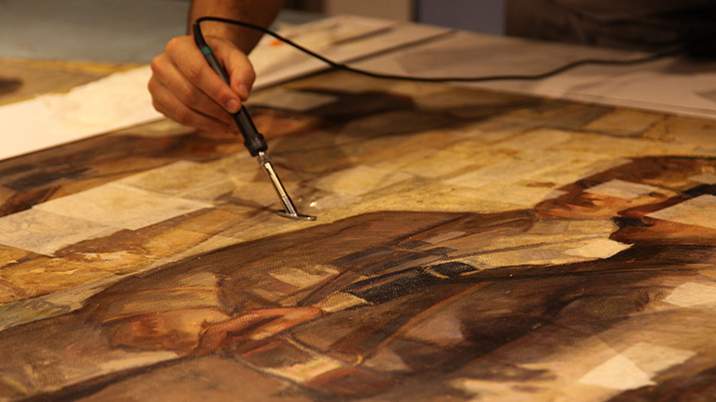
Especially for old, fragile, or previously restored works, it's important to document the current condition with photographs. This allows the pre-transport condition to be recorded.
2. The Right Packaging Materials Must Be Used
The material used to package artworks is of critical importance for the work's safety. The goal is not only to protect the work from external impacts, but also to reduce risks such as vibration, friction, moisture, and sudden temperature changes as much as possible.
The main protective elements that can be used depending on the type of work include:
- Acid-free, archival-quality papers
- Soft protective materials that won't damage the surface
- Shock-absorbing foams
- Corner protectors
- Vibration-reducing materials
- Protective layers against water and moisture
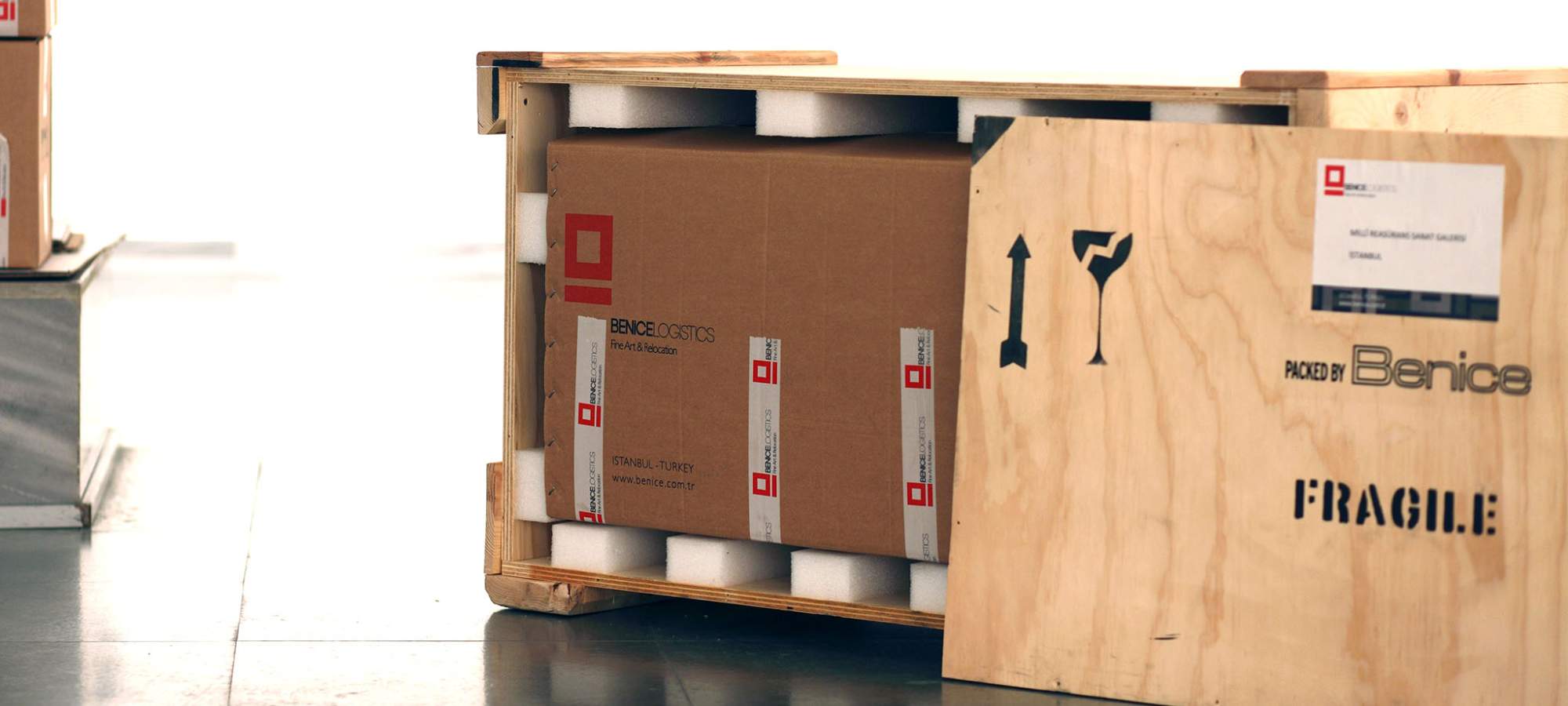
- Custom-sized crates
In cases where the packaging material should not come into direct contact with the surface of the artwork, a suitable barrier should be created between the work and the outer packaging.
3. Custom-Made Crates Increase Safety
Standard cardboard boxes may not be sufficient, especially for high-value, large, or fragile works. In such cases, custom transport crates built to the work's dimensions are preferred.
A well-designed art crate should:
- Be resistant to impact,
- Keep the work fixed in place inside,
- Reduce vibrations that occur during movement,
- Have an adequate interior protective layer,
- Be easy and safe to move during transport and loading.
It's also important for the interior of the crate to have supports that prevent the work from moving. However, these supports should not apply pressure to the work.
4. Vibration and Impact Control Should Not Be Overlooked
During shipping, artworks are not only damaged by direct impacts. Vibrations caused by vehicle movement, road conditions, and loading and unloading operations can also negatively affect delicate works.
For this reason, the work must be secured during transport and supported with appropriate shock-absorbing materials. Vibration control is especially important for glazed paintings, ceramics, sculptures, and works with delicate surfaces.
5. Humidity and Temperature Changes Should Be Kept Under Control
Some artworks are extremely sensitive to environmental conditions. Wood, paper, textiles, and certain types of paint can be affected by changes in humidity and temperature.
For long-distance transport or shipments where climate conditions change, maintaining environmental conditions suited to the work's needs should be considered. Temperature and humidity monitoring can be carried out when necessary.
Especially for highly valuable or delicate works, not only physical protection but also the conditions of the environment the work is in should be part of the shipping plan.
6. Loading and Unloading Must Be Done Professionally
Even a perfectly packaged work of art can be damaged due to improper loading. The risks of crushing, tipping, and shifting must be taken into account when placing crates or packages inside a vehicle.
During loading and unloading:
- The work should be handled as few times as possible,
- Necessary orientation and fragility warnings should be added to the packages,
- Heavy loads should be prevented from being placed on top of delicate works,
- Crates should be securely fastened inside the vehicle,
- Appropriate lifting equipment should be used when necessary.
The use of professional lifting equipment, especially for large and heavy sculptures, can significantly increase safety.
7. The Transport Process Should Be Planned in Advance
Even the choice of route matters in art shipping. Road conditions, distance, traffic, weather, and loading/unloading points should be evaluated in advance.
Avoiding unnecessary transfers as much as possible means the work is handled less. Recording who received and delivered the work during the transport process also supports a secure logistics process.
8. Insurance and a Condition Report Should Be Considered
For high-value artworks, it's important to review insurance terms before shipping. The scope of the insurance, the risks that may arise during transport, and how the value of the work will be determined should be clarified in advance.
It's also helpful to prepare a condition report for the work before transport. By recording photographs of the work, its existing flaws, and its general condition, a comparison can be made after transport.
9. Packaging Should Be Done According to the Type of Work
Applying the same packaging method to every artwork is not correct.
Paintings
The frame and the surface should be assessed separately. For glazed works, additional precautions should be taken against the glass breaking.
Sculptures
Custom fastening should be applied, taking into account the work's center of gravity and protruding sections.
Ceramic and Glass Works
A high level of protection against impact and vibration should be provided, and the work should be supported inside the crate so that it cannot move.
Paper and Textile Works
More sensitive protection should be applied against factors such as moisture, light, and physical contact.
Antique Works
A custom transport plan should be prepared, taking into account the work's age, material, current condition, and any previous restorations.
Conclusion: Safe Shipping Starts with Proper Planning
While it's not possible to completely eliminate the risk of damage in art shipping, the risk can be significantly reduced through proper planning and professional practices. Choosing packaging materials suited to the work's characteristics, using custom crates, controlling vibration and environmental conditions, applying safe loading methods, and documenting the transport process form the foundation of safe shipping.
The packaging and shipping process for artworks is far more than a "box it and move it" approach. Each work needs to be assessed according to its own characteristics and requires a customized protection and transport plan. Thanks to proper practices, a work can be delivered from its current location to its new destination with the lowest possible risk.