Artwork Pricing Strategies for Galleries
Pricing is one of the most delicate aspects of running a gallery — price too low and you can damage an artist's career; price too high and the sale becomes impossible. The right price emerges from balancing several factors together.
The artist's career stage
An emerging artist's prices should follow a consistent, measured growth curve. Doubling prices from one show to the next may seem appealing short-term, but it erodes collector trust and creates price instability in the secondary market.
Market comparables
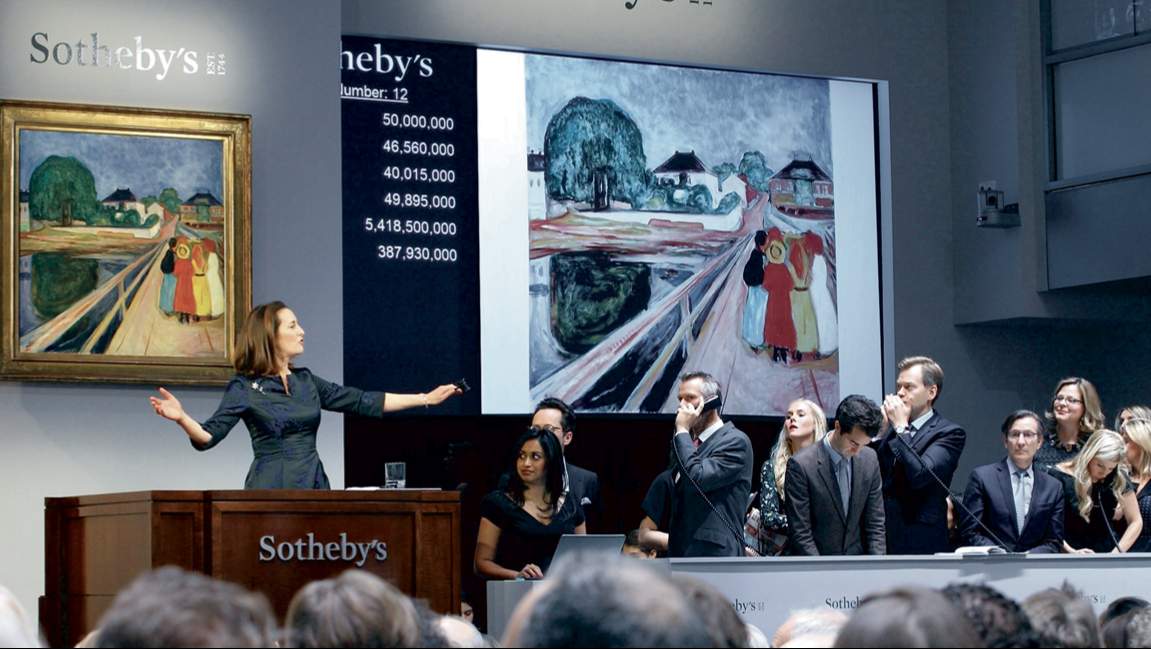
Past sale prices for similar works by the same artist, in comparable size and period, are the most reliable reference point. Auction results and gallery archives provide valuable data here — which is why consistently recording past sales makes future pricing decisions much easier.
Size, medium, and edition status
Oil on canvas is typically priced higher than works on paper; unique pieces are worth more than prints. Where a print falls within its edition also directly affects price — it's common practice for prices to rise gradually as an edition progresses.
Keeping the gallery margin transparent
The commission split between artist and gallery should be clear, and pricing should apply that split consistently. Keeping a documented pricing process reinforces trust with both the artist and the collector.